
Case Four


Supported by



Case Four – For years, Nur lived with a man who ignored boundaries, dismissed her refusal to consent, and left her fighting for her life in a hospital bed
My name is Nur Jia (not my real name), and I am 35 years old. I became pregnant with my eldest daughter at the age of 21, and she is now 14 years old. Shortly after her birth, I married my husband. My first daughter did not carry her father’s surname. Four years later, I conceived my second daughter, who is now 8 years old, and five years after that, my third child was born.
Together, my husband and I once managed a coffee shop, continuing my mother’s business in town. Unfortunately, the business eventually went bankrupt. During that time, my husband’s behavior changed—he began consuming ketum (psychoactive substance in Southeast Asia), smoking, and drinking alcohol. His habits affected our family deeply. His sexual urges became uncontrollable, often disregarding boundaries and respect, even in front of our children. Despite my attempts to protect myself by saying “no,” he frequently ignored my refusal.
We had no stable income, and I tried to support my family by running a small catering business from home, taking orders from friends. I also took on the responsibility of sending my children to school every morning at 5:30 a.m. However, my husband often accused me of being unfaithful whenever I left the house.
This pattern of abuse began when my eldest daughter was just five years old. At times, my husband forced me into sexual acts that left me in pain. Last year, the abuse escalated to the worst incident yet, leaving me unconscious. I was admitted to the Intensive Care Unit at Hospital Likas. During my week-long stay, my husband never visited me. I chose not to inform my parents about what had happened.
For several years, I have endured abuse from my husband, not only verbal abuse, but also sexual and emotional abuse. At first, I thought I could remain silent and continue living as if nothing was happening. There were times when, if not for my children, I considered ending my life. Being with my children brings me deep joy, but the moment my husband comes home, fear returns to me.
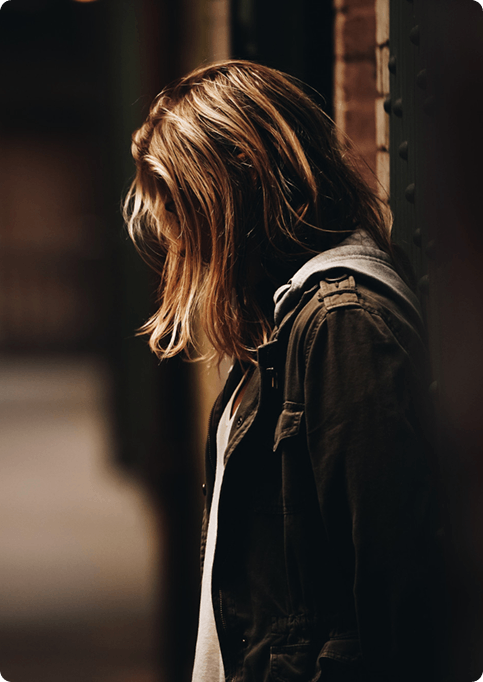
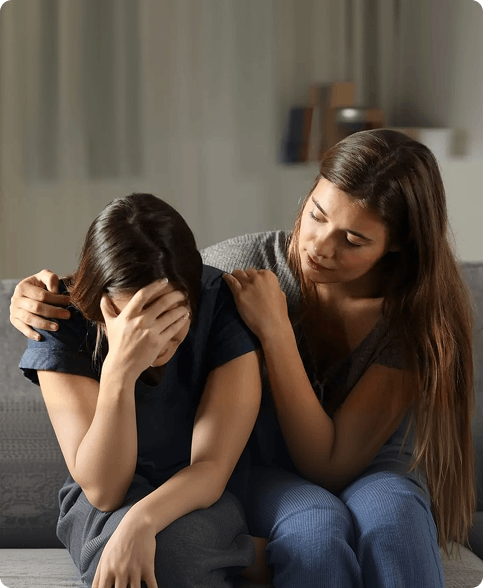
I kept the abuse hidden because I felt ashamed to tell my parents or friends. I believed it was a private family matter. Sadly, my children have witnessed much of what has happened. I have noticed changes in my eldest daughter; she avoids speaking to me and especially to her father, spending most of her time alone in her room. She is no longer cheerful and often appears withdrawn.
The school has contacted me several times about her discipline issues, but whenever I try to discuss these matters with my husband, he refuses to take responsibility and leaves everything to me. I try to remain patient, but sometimes the stress causes me to say hurtful words to my children, which I regret deeply.
After the severe incident last year that left me hospitalized, I was referred to counseling in the hospital’s psychology unit. Initially, I did not want my husband to know about these appointments, but then he found out, and he accused me of being unfaithful.
When the doctor referred me to seek help and stay at a center run by Good Shepherd Services, I agreed without hesitation. At that time, I was in the emergency unit, and my children were staying with a friend. Before moving to the shelter, I arranged with my brother to bring my children to the hospital, as the doctor had organized an ambulance to take us together to the shelter.
We arrived around 10:30 p.m. I was deeply grateful to find the staff waiting for us. They offered food, though I wasn’t hungry. I had arrived with nothing but my handbag, and my children and I slept in the clothes we wore that day. The staff on duty provided toiletries, towels, and some clothing for us to change into before bed. The room was clean and spacious enough for the four of us. That night, for the first time in a long while, I slept without fear.
The next morning, we woke around 9:00 a.m. and were called for breakfast. After eating, I went back to sleep but was awakened by a phone call from my mother, who was deeply concerned about the children and me. That same day, my mother and younger brother came to see us.
In the afternoon, my mother, my daughter, and one of the shelter staff members accompanied me to collect some belongings and the children’s documents from our house. The staff member stayed with me in the car while my mother, brother, and daughter went inside. Unfortunately, my daughter noticed that some important documents were missing from where they were usually kept. After gathering some clothing, my brother drove me to the hospital to see the psychiatrist, while my mother returned to the shelter with my daughter.
The shelter kindly allowed my mother to stay with us for a week, giving me moral support and helping me manage practical matters. Together, we worked on replacing missing documents, registering with the authorities, and making a police report. The shelter officers also connected me with a medical social worker, who referred me to the Welfare Department. Through this, I was able to apply for financial assistance during this crisis.
While staying in the shelter, I initially felt ashamed. However, the staff were very kind and supportive, providing everything necessary for my children and me. I was given access to individual counseling, group sessions, art therapy, and personal journaling. These programs allowed me to express myself freely and begin healing. We also shared responsibilities such as cooking and house chores, which helped me regain a sense of normalcy and peace.
In addition to the in-house programs, I was able to continue my medical appointments at the hospital. With the support provided, I gradually regained my confidence. During this time, my husband tried to locate me by going to the hospital and attempted to contact my children, but they refused to respond. I was deeply hurt when he used social media, particularly Facebook, to speak badly about me.
Despite these challenges, I am truly grateful for all the support I received during such a difficult period. Today, I am working and earning an income to support my children’s education. Although I was later transferred to another place, the support has continued. My case officer still checks in with me through calls and text messages to see how I am doing, which reassures me that I am not alone.
How to support this case:
Bank account details:
1. Bank name: Public Bank Berhad
2. Account number: 3196591718
3. Account name: Good Shepherd Services
4. Reference code: EQW04
OR contact [email protected] to send a supportive message, or care package.